







Search Results for: Cocoa Black Tea Latte

Starbucks Halloween limited-edition Cocoa Black Tea Latte sparks discussion: hot drink whipped cream topping melts, wrong syrup used, consumers say the look is a total flop.
This Halloween, Starbucks launched two limited-edition drinks at its mainland China stores. One was the Dark Pumpkin Frappuccino imported from Japan, and the other was the Red Magic Cocoa Black Tea Latte designed for cooler weather. This tea latte, which can only be made hot, was supposed to attract customers with its good looks, but many people found after receiving their delivery that the whipped cream topping had disappeared completely, while others got a version with the wrong syrup added, leaving the final product worlds apart from the promotional image. Netizens complained one after another that the drink looked like "witch's brew," and some even questioned whether the product design was unreasonable. As coffee enthusiasts, Front Street Coffee has also noticed this phenomenon, and this article will provide a complete rundown of how the incident unfolded and the responses from all sides. [more…]
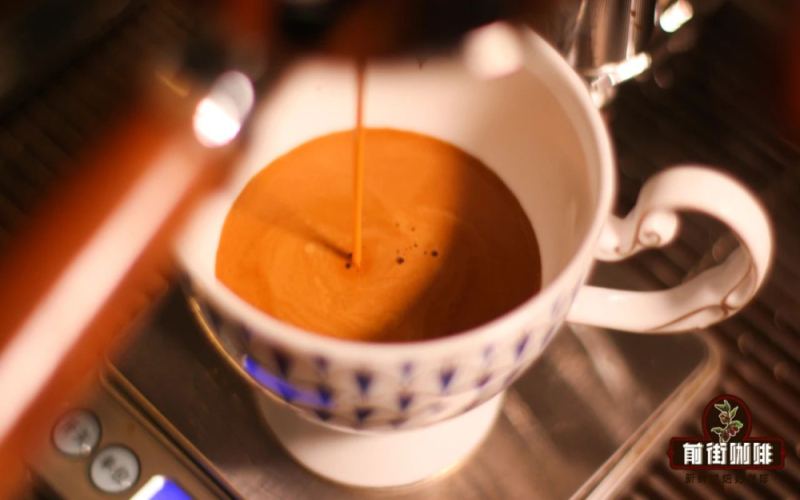
Does coffee cup size affect taste? Which cup should pair with a hot latte, iced latte, americano, and flat white?
Coffee enthusiasts often collect all kinds of cups, but have you ever considered that the shape and capacity of a cup can quietly change how a coffee is presented? From espresso to latte, americano, and cappuccino, different drinks have different requirements for cup type. Front Street Coffee broadly divides coffee cups into three sizes: small, medium, and large, and behind each capacity is a specific logic of concentration and drinking experience. Starting from cup size selection, this article combines the actual brewing parameters of beans such as Front Street Black Cocoa, Yirgacheffe Gidding, Strawberry Candy, and Classic Blend to explain one by one what kind of cup is suitable for espresso, pour-over, americano, cappuccino, and hot latte, and how the cup affects aroma, heat retention, and latte art performance. [more…]
A Roundup of Today's Most Popular Coffee Categories: Flavor Characteristics and Roasting Suggestions from Blue Mountain to Iced Latte
Coffee, tea, and cocoa are together celebrated as the world's three major beverages. The coffee tree is an evergreen small tree belonging to the Rubiaceae family. The coffee we drink daily is made by extracting the beans from the fruit of the coffee tree, roasting them appropriately, and then brewing them with various devices. There are many popular coffee varieties on the market, each with its own distinctive flavor. This article will systematically cover classic single-origin coffees such as Blue Mountain, Cuba Crystal Mountain, Colombia Supremo, Brazil Santos, Mandheling, Mocha, Hawaii Kona, Java, Guatemala, and Kilimanjaro, as well as flavored preparations like milk coffee, Viennese iced coffee, and iced latte, along with their suitable roast levels and taste characteristics, making it easy for coffee lovers to choose according to their preferences. Front Street Coffee will also provide you with a stable supply of beans and roasting recommendations. [more…]
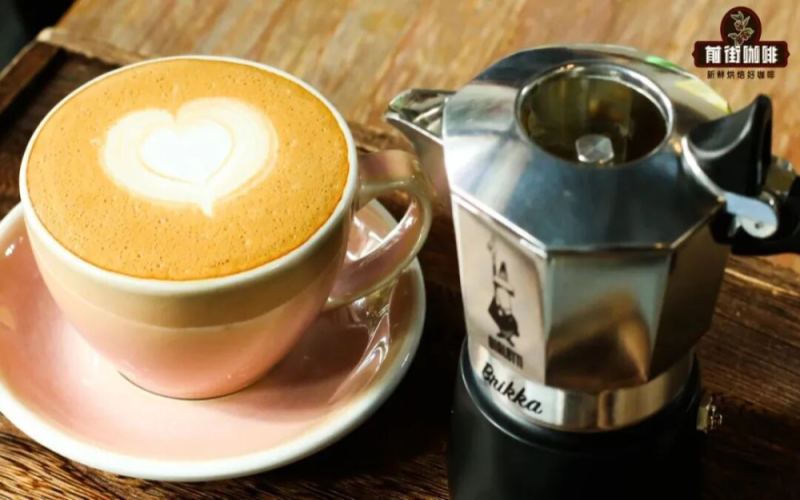
Fancy ways to make a latte with a moka pot: Should the milk go in the upper chamber or the lower chamber? Testing two unconventional extraction methods
The Moka pot, thanks to its pressurized extraction, can produce a fairly strong black coffee, and when combined with milk it becomes a simple version of a latte. The conventional method is to brew the coffee first and then add milk, but some people have proposed two unconventional approaches: one is to pour milk into the upper chamber and let the coffee liquid flow directly into the milk; the other is to use milk instead of water in the lower chamber and directly brew the coffee grounds with milk. Can these two methods actually produce a good-tasting Moka pot latte? Front Street decided to test them personally. This article first discusses how to choose coffee beans suitable for pairing with milk, then separately records the parameters, steps, and resulting flavors of the two "unorthodox" methods, for the reference of coffee enthusiasts. [more…]
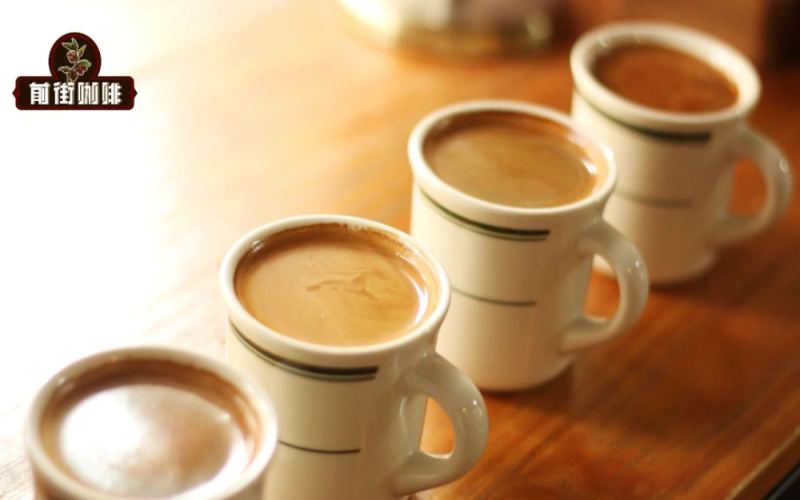
Does Americano with milk still count as an Americano? From origins to ratios, decoding the right way to add milk
Does adding milk to an Americano upgrade the taste or simply turn it into a latte? Many friends who make coffee at home have this question. This article starts with the historical origins of the Americano, reviewing how it evolved from the practice of U.S. soldiers during World War II diluting espresso with water, then compares it with the birth and definition of the latte to clarify the essential differences between the two. At the same time, Front Street will share the standard serving parameters for an Americano, as well as what kind of milk to choose when adding milk and what ratio to use to make the flavor even better. Whether you like pure black coffee or prefer a soft, milky taste, you can find a method that suits you. [more…]
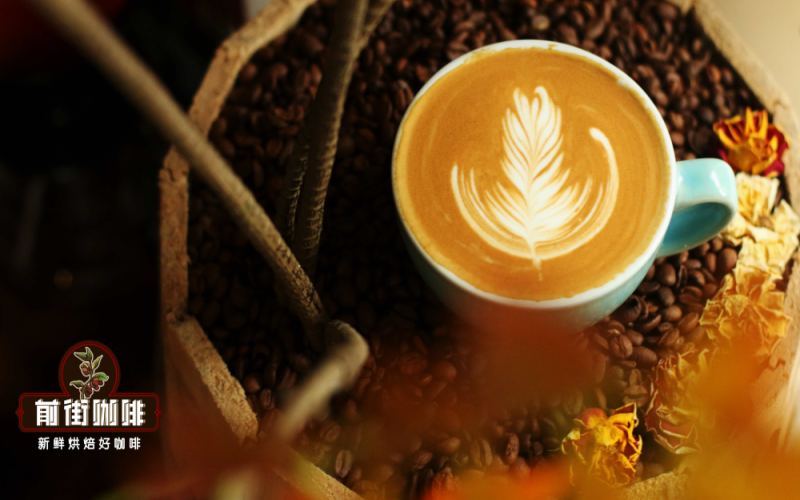
The Real Difference Between a Latte and a Cappuccino: Cup Size, Milk Foam, and Mouthfeel Explained in One Go
Walk into any coffee shop, and latte and cappuccino are almost always permanent fixtures on the menu. Many people assume the two differ only in cup size and foam thickness, but the actual differences go far beyond that. From the perspective of Front Street Coffee, this article systematically sorts out the origin stories, ingredient ratios, milk foam handling methods, and cupware selection considerations of these two classic Italian coffees, while also touching on the Dirty coffee that has become popular in recent years. Whether you are a beginner just starting out or a seasoned enthusiast wanting to recreate a proper latte or cappuccino at home, you will find practical references here. [more…]
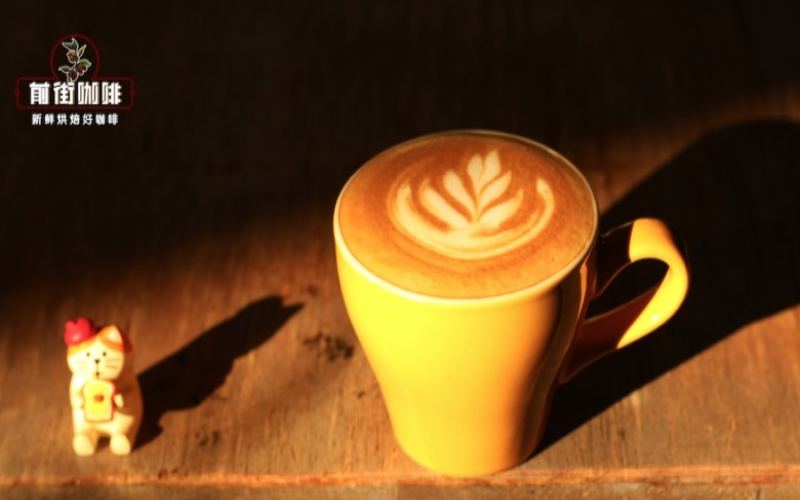
Original or Flavored Latte: Two Paths for Choosing Beans
Before ordering a latte, it's worth asking yourself one question: do you want a solid milk coffee, or one with a playful twist? This question splits lattes into two paths, and also cleaves the direction of bean selection in half. If the path isn't decided, even the best beans won't deliver the mood you expect. The original-flavor path pursues a harmony of the beans' and milk's true essence. [more…]
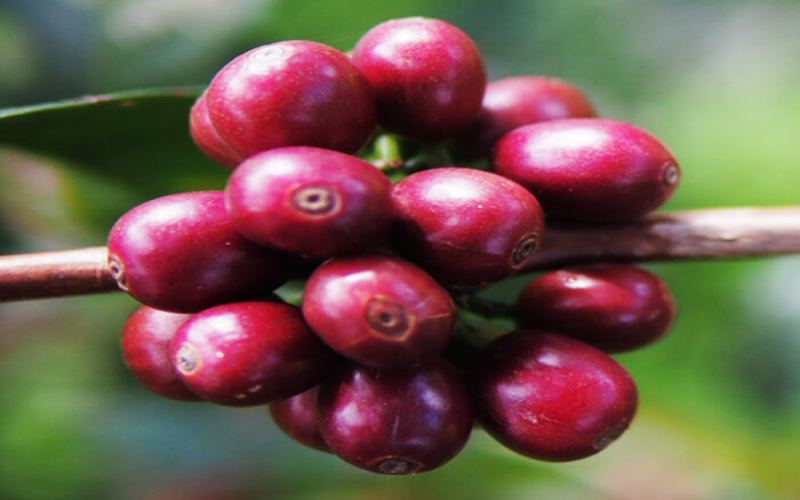
Choosing Drinks for SOE by Roast Level: A Flavor Guide from Pour-Over to Milk Coffee
SOE refers to single-origin espresso beans, where the distinct characteristics of the region, variety, and processing method all come together in a single shot. It doesn't belong to just one type of drink; what really affects the pairing is often the roast level. Light roasts emphasize floral and fruity notes with bright acidity, medium roasts are easier to balance, and dark roasts bring out cocoa, nutty, and [more…]
Where to Source Beans for Your Independent Coffee Shop? Front Street Coffee Bean Recommendations and Key Purchasing Considerations
Planning to open a coffee shop—where should you buy beans, and how should you choose them? This article centers on the sourcing dilemmas faced by independent cafés and small neighborhood shops, and systematically sorts through the highlights of Front Street Coffee’s bean lineup: there are more than 50 specialty beans, along with 4 espresso blends tucked in as well. The article focuses on the widely popular washed Yirgacheffe and PWN·Golden Mandheling, including origin information, flavor descriptions, and brewing parameters, and then breaks down one by one the positioning and recipe approach of the four espresso blends—Black Cocoa, Specialty, Commercial, and Warm Sun. Finally, it summarizes practical points to note when buying coffee beans—check the roast date, grasp the optimal tasting window, choose beans or ground coffee, and select beans according to the extraction method—to help you find a reliable coffee bean source. [more…]

Starbucks Drink Prices at a Glance: Price Breakdown by Series and the Most Expensive Items Ranked
As a global coffee chain brand, Starbucks' drink pricing has always been a focal point of consumer interest. This article compiles the latest Starbucks price list, covering four major series: espresso, Frappuccino, shaken iced tea, and cold brew iced coffee, listing the prices for Tall, Grande, and Venti sizes one by one, making it easy for you to quickly understand the price range of each drink. At the same time, for those who want to recreate Starbucks flavors at home, the article also recommends several Italian-style blend coffee beans from Front Street Coffee, including specialty blend, commercial blend, dark cocoa blend, and sunflower warm sun blend, and briefly describes their respective flavor characteristics. Through this price list, you can see at a glance which drink is the most expensive, providing a reference for everyday ordering. [more…]
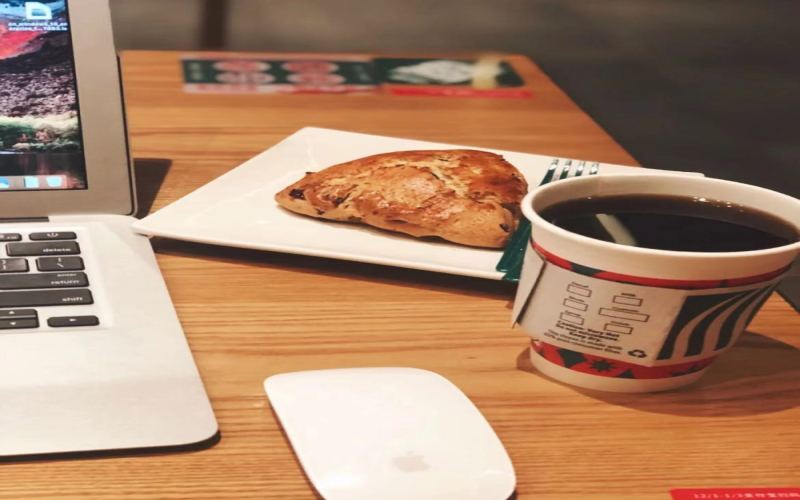
How to Order Starbucks Drinks to Taste Even Better? Top Ten Must-Order Recommendations and Practical Ordering Tips
The Starbucks menu offers a rich selection, from classic coffees to teas and Frappuccinos, each with its own distinct flavor. Faced with such a dazzling array of options, many people struggle to decide which one is actually worth trying and how to order something that suits their taste. This article compiles the top ten most popular Starbucks drinks, covering coffee categories such as the Coffee of the Week, Americano, Latte, Mocha, and Caramel Macchiato, as well as tea drinks like Iced Shaken Lemon Tea, Black Tea Latte, and Matcha Latte, plus Frappuccinos such as Matcha Frappuccino and Caramel Mocha Coco Chip. Each drink comes with flavor characteristics and practical ordering suggestions to help you avoid pitfalls and get a cup you are more satisfied with. For more specialty coffee beans, follow Front Street Coffee (FrontStreet Coffee), WeChat ID: qjcoffeex. [more…]
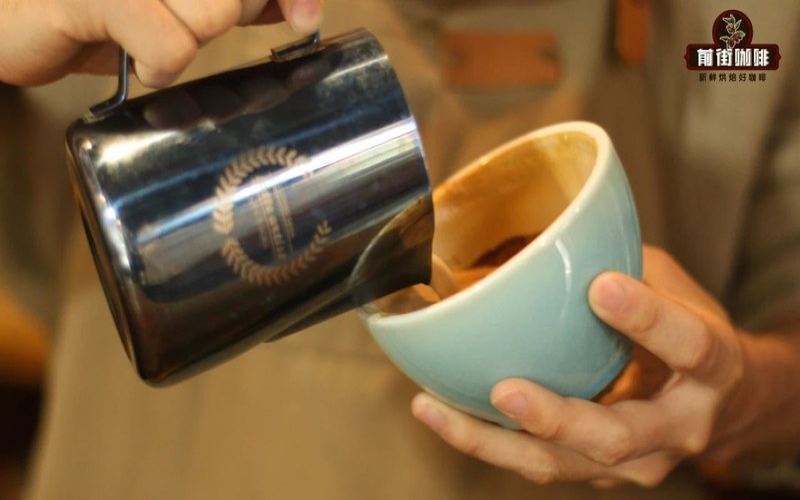
Light, Medium, and Dark Roasts: How to Choose for an SOE Latte
SOE can certainly make a delicious latte, and its appeal isn't just in the words "single origin." Once the espresso is mixed with milk, the roast level directly shapes the character of the whole cup: light roasts are livelier, medium roasts are more balanced, and dark roasts are richer. To find a combination that suits your taste, you can start with your preferred roast. [more…]
Latte or Americano for fat loss? The weight-loss advantages of black coffee from the perspective of caffeine and calories, plus how to make an Americano
Caffeine can boost metabolism, stimulate neural excitement, and promote gastrointestinal motility, so coffee is often used as a daily beverage by those trying to lose fat. However, not all coffee is conducive to weight loss. This article focuses on the differences between lattes and Americanos, explaining why black coffee has the advantage, while also detailing the bean selection approach for Americanos, the flavor characteristics of Front Street Coffee's four espresso blends, and the extraction parameters and mixing ratios for hot and iced Americanos. Finally, it includes the steps for tasting a cup of coffee, helping coffee lovers drink both professionally and satisfyingly during their fat-loss phase. [more…]
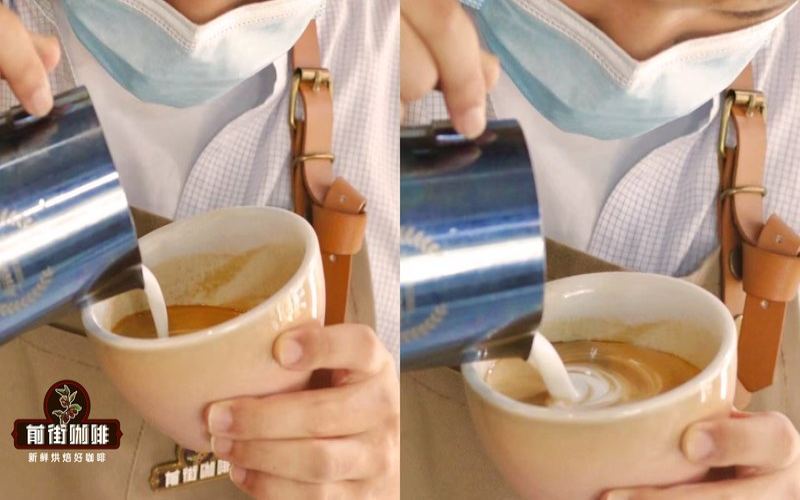
Light, Medium, and Dark Roasts: How SOE Lands in the Cup
SOE usually refers to espresso made from coffee beans of a single origin or a single batch. It doesn't belong to just one type of drink; what truly affects its performance is whether the beans are roasted light or dark: the lighter the roast, the more readily the aromas unfold toward floral, fruity notes and bright acidity; as the roast deepens, sweetness, body, and cocoa notes gradually take over. [more…]
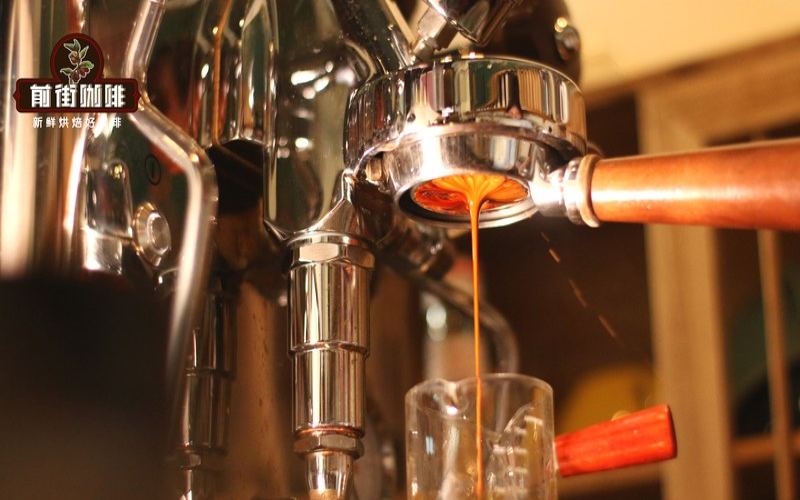
Moka Pot Latte Bean Selection: How to Pair Light, Medium, and Dark Roasts with Milk
Coffee brewed with a moka pot is usually more concentrated than pour-over, yet it doesn't have the thick crema of an espresso machine. Once milk is added, the roast level of the beans directly shapes the flavor direction of the whole cup: a light roast highlights aroma, a medium roast comes across as sweeter and smoother, while a dark roast delivers cocoa, nuts, and a stronger presence. When choosing beans, you can first base your decision on [more…]
The correct way and ratio for adding milk to Americano, and why it still isn't called a latte even with milk added
Americano was originally just a combination of espresso and water, but many people habitually add some milk when drinking it at home, which raises a question: does an Americano with milk automatically become a latte? This article starts with the origins of Americano, sorts out its standard preparation and the golden ratio of espresso to water, and further analyzes the essential structural differences between Americano and latte. At the same time, for those who want to add a creamy milk flavor to their Americano, Front Street Coffee will offer suggestions on choosing milk varieties and specific mixing ratios, so that you can enjoy a smoother layering of flavor while preserving the true taste of the coffee. [more…]

How Is a Dirty Coffee Different from an Iced Latte? A Comprehensive Analysis of the Differences Between the Two in Ratios, Methods, and Drinking Styles
Dirty coffee and iced latte look quite similar in appearance, both presenting a layered effect of espresso over milk, but they are actually different drinks. This article starts with production details such as cup size ratio, whether ice is added, cup treatment, and layering requirements, systematically sorting out the differences between Dirty and iced latte, and explaining in detail the correct way to drink each. The article also combines the flavor characteristics of coffee beans such as Front Street classic blend, specialty blend, and dark cocoa base blend to explain how to choose beans to achieve the ideal layering effect and taste experience. [more…]
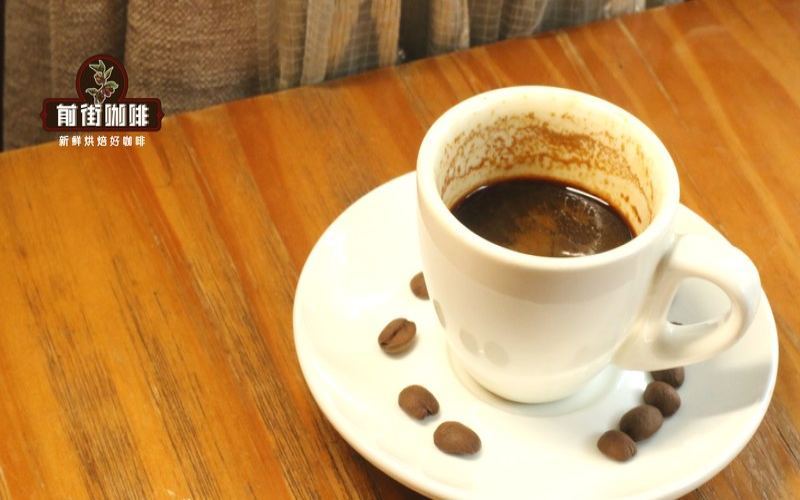
Freshly Roasted Coffee Brand Recommendations: Choose the Right Beans for You by Roast Level
Light-roasted beans often keep the character of their origin and variety in the cup; on the palate you may find citrus, berries, or floral notes, and they drink light and bright, making them suitable for the morning, the afternoon, and moments when you want to focus on the aroma. Medium-roasted beans have steadier sweetness and softer acidity, while dark-roasted beans carry more pronounced roasted, cocoa, and nutty notes. According to the roasting [more…]
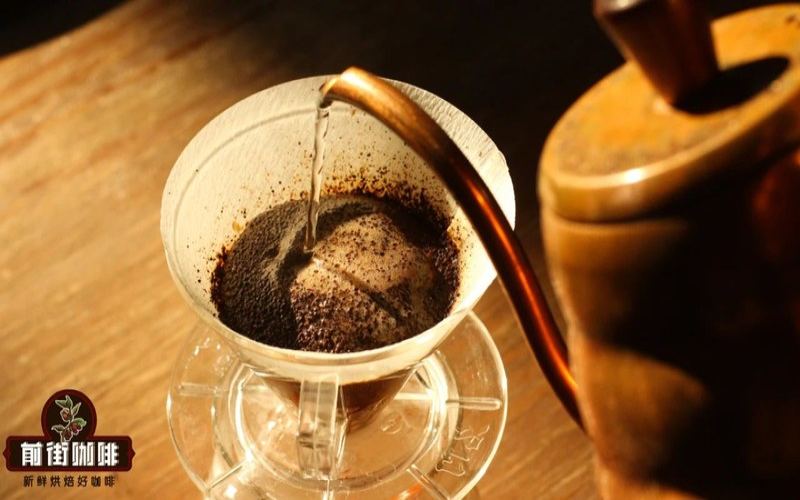
Want a cocoa-flavored cup from your moka pot? Choose beans by roast level like this
If you want to brew a cocoa-like cup with a moka pot, when choosing beans you can first look at the roast level, then at the flavor description. Light roasts often put fruit acidity, floral notes, and a clean sweetness up front, and the moka pot's high temperature and concentrated extraction can make the acidity stand out; medium to medium-dark roasts are more likely to show cocoa, nuts, caramel, and a fuller mouthfeel, which pairs well with this small [more…]
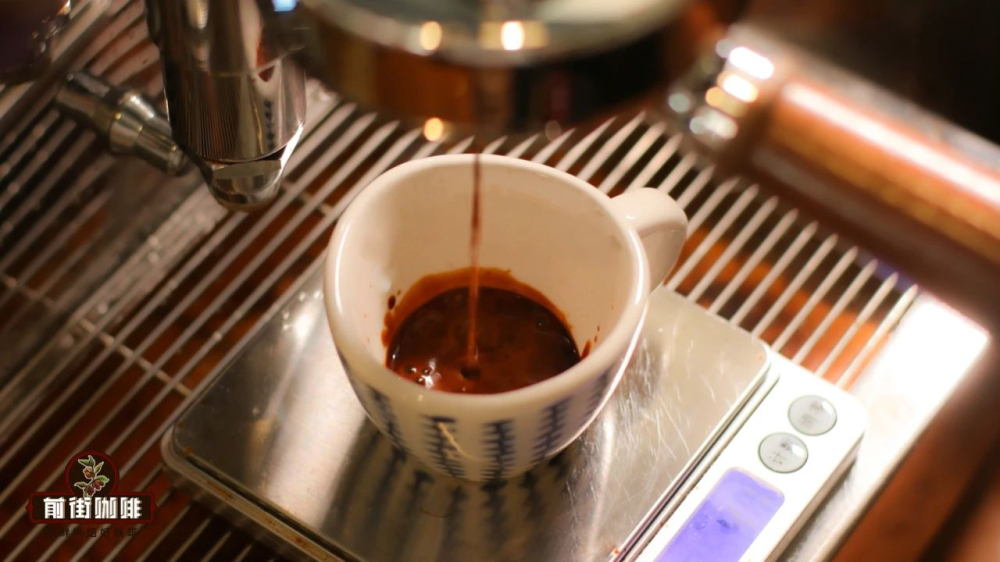
Benefits of Americano black coffee | Where did Americano coffee originate? How much caffeine is in a cup of Americano? What are the pros and cons of drinking Americano?
Many customers of FrontStreet Coffee wonder why espresso-based drinks include Americano. Literally, Americano means American-style coffee. Front Street believes there are mainly two correct ways to drink Americano: one is [more…]